When considering home care solutions, understanding "how to assemble a manual nursing bed at home" is essential. A nursing bed can significantly enhance comfort for patients. However, many people find the assembly process daunting. It’s important to have a clear guide and the right tools at hand to make it manageable.
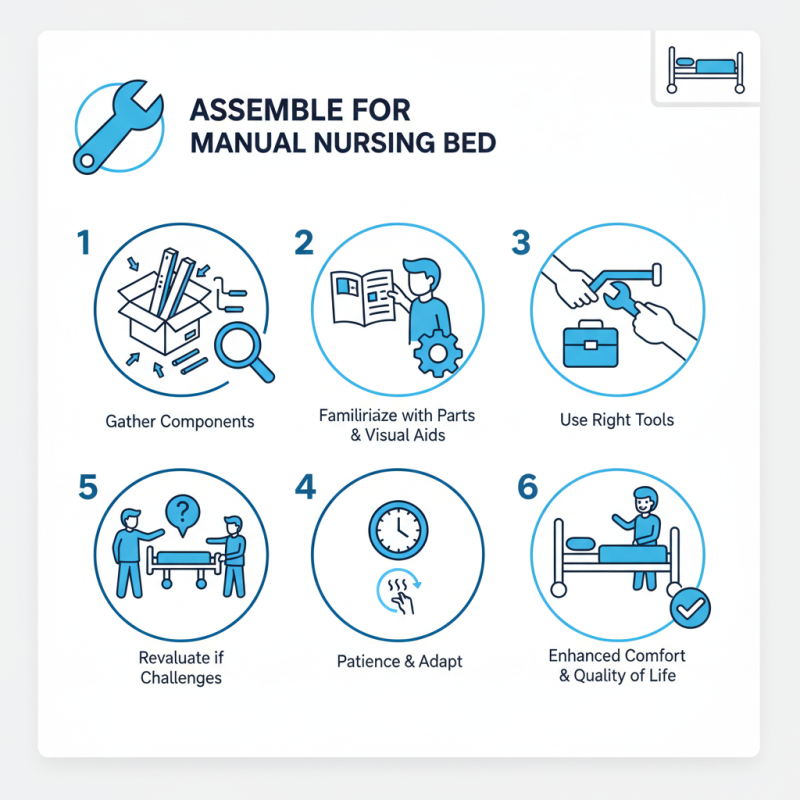
Begin by gathering all necessary components. Familiarize yourself with the parts included in the box. Some pieces may be tricky to identify at first glance. Visual aids can assist in this process, ensuring you are prepared before getting started. If you run into challenges during assembly, take a step back. It's okay to reevaluate your approach when faced with confusion.
Remember, patience is crucial. Assembly may not always go smoothly, and this can be frustrating. Allow yourself time to adapt and learn. Engaging in this task can be rewarding, offering both a sense of accomplishment and practical benefit. Ultimately, a properly assembled nursing bed can improve the quality of life for loved ones in need of care.
Understanding the components of a manual nursing bed is crucial for assembly. A nursing bed typically consists of a bed frame, adjustable mechanisms, side rails, and a mattress. Each part plays a significant role in ensuring patient comfort and safety. For instance, the adjustable mechanisms allow for changing positions easily. According to a report by the World Health Organization, proper bed positioning can significantly reduce the risk of pressure ulcers by up to 29%.
The bed frame is usually made of sturdy materials. It needs to support the weight of a patient comfortably. Side rails provide security, preventing falls. A study published in the Journal of Advanced Nursing indicated that beds with side rails could reduce the incidence of falls by nearly 30%. Yet, relying solely on these features isn't enough. Regular checks for wear and tear are necessary to maintain safety.
Proper mattress selection is equally vital. A high-quality mattress distributes weight evenly. This reduces discomfort during prolonged bed rest. Data from the National Pressure Injury Advisory Panel highlights that up to 50% of patients in hospital settings may experience pressure injuries if beds are not optimized correctly. Thus, understanding each component empowers caregivers to create a safer environment for patients.
Assembling a manual nursing bed at home can feel daunting. However, gathering the right tools and equipment simplifies the process. Start with basic items: a wrench set, screwdriver, and pliers. According to a recent industry report, effective preparation can cut assembly time by 30%.
Consider adding protective gloves to avoid cuts during assembly. Safety should never be compromised, especially when working with metal parts. Make sure you have a flat workspace. This ensures nothing rolls away or gets lost.
Tip: Before starting, read the assembly manual thoroughly. Familiarize yourself with each component. Everyone makes mistakes, so don't rush. If you miss a step, it can lead to instability. Careful attention to detail ensures the bed is safe for use. A strong foundation is crucial for patient care.
Assembling a manual nursing bed at home can be a straightforward process, but attention to detail is crucial. Start by gathering all necessary tools and parts. Ensure you have a level workspace. Take a moment to review the assembly instructions thoroughly. A poorly understood guide can lead to mistakes that affect the bed's stability and functionality.
Next, begin with the frame assembly. Lay out the side rails and cross supports. Check for any dents or scratches on the materials; this can indicate pre-existing weaknesses. Secure the joints tight, but not overly so. Spacing matters. A gap that's too wide can cause wobbling. As you connect the pieces, take your time. Rushing can lead to misalignment.
Pay close attention as you install the bed base. It's easy to overlook the hinges or restrict their movement. Ensure that adjustments function smoothly. After assembly, double-check every joint and connection. Adjustments might be necessary for optimal performance. Reflect on each step taken. Mistakes are learning opportunities, and every assembly teaches something valuable about care and precision.
Assembling a manual nursing bed requires attention to detail. Proper adjustment mechanisms enhance comfort for patients. Research indicates that the right bed adjustments can significantly reduce pressure ulcers, which affect nearly 2.5 million patients annually in the U.S. The ability to control height and angle supports optimal positioning for various medical needs.
When installing the mechanisms, take care to follow the manufacturer's guidelines. This can help prevent potential issues. Misalignment of parts can lead to discomfort or even pose safety risks. A study by the American Journal of Nursing found that 70% of nursing homes reported problems with improperly adjusted beds, leading to increased patient dissatisfaction.
Assembly requires patience and precision. It’s essential to test each mechanism after installation. Check for smooth operation and ensure all bolts are secure. This phase is crucial, as improperly assembled beds can cause inconvenience. Regular maintenance checks can identify issues early, promoting patient safety and comfort.
Before using a manual nursing bed, it's crucial to perform final checks to ensure safety. According to the World Health Organization, around 70% of hospital accidents can be attributed to inadequate equipment checks. First, ensure that all parts are securely assembled. Look for loose bolts or screws. A tight and stable bed is essential for preventing falls and injuries.
Check the bed's height adjustability. The height should accommodate both the patient and the caregiver comfortably. A bed that is too high or low may lead to strain or accidents. Ensure that the brakes on the wheels are functioning properly. According to a study in the Journal of Nursing Care Quality, improper bed mobility contributed to 30% of fall-related incidents in nursing homes.
It’s essential to verify the weight limit of the bed. Each bed is rated for specific weights. Exceeding this limit can compromise the bed’s stability. Before use, review the manual thoroughly. Make note of any unique safety features it may have. It’s better to be diligent now than to face a risk later.
Tips: Always reposition the bed before assisting a patient. Make sure it’s locked in place. Regular maintenance checks can prevent hidden hazards. Keep the area around the bed clear to avoid tripping. Each of these steps contributes significantly to a safe environment.
: Gather all necessary tools and parts before starting. Having everything ready helps avoid delays and confusion.
The assembly instructions are crucial. Misunderstanding them can lead to mistakes affecting the bed's stability.
Look for dents or scratches on materials. They may indicate weaknesses that could impact the bed's functionality.
Secure joints tightly, but not overly so. Adequate spacing prevents wobbling and ensures a stable structure.
Final checks can prevent accidents. A stable bed reduces the risk of falls and injuries.
Ensure the height accommodates both the patient and caregiver comfortably. Improper height can lead to strain.
If brakes on the wheels aren’t functioning, it can lead to falls. Check the brakes regularly for safety.
Exceeding the weight limit can compromise stability. Always verify the specifications to ensure safe use.
Always lock the bed in place before helping. A stable foundation is vital for patient safety during assistance.
Keep the area clear to avoid tripping hazards. Regular maintenance checks can also prevent hidden dangers.
Assembling a manual nursing bed at home can seem daunting, but with the right approach, it can be a straightforward process. To begin, it’s essential to understand the various components of the bed, which typically include the frame, mattress, and adjustable mechanisms. Gather all necessary tools and equipment, such as wrenches and screwdrivers, to ensure a smooth assembly.
Following a step-by-step guide, one can easily construct the bed frame and proceed with installing the mechanisms that allow for comfort adjustments. It’s important to check all connections and ensure safety features are in place before the bed is used. By following these systematic instructions on how to assemble a manual nursing bed at home, caregivers can create a functional and safe environment for their patients.

Datoral Medical