Hospital beds play a crucial role in patient care. The choice between electric and manual beds can significantly impact comfort and recovery. What are the benefits of electric vs manual hospital beds? This question is vital for global buyers looking to enhance their healthcare facilities.
Electric hospital beds offer advanced features. They allow easy adjustments for both patients and caregivers. This convenience can lead to better patient outcomes. Manual beds, though simpler, require more physical effort. This can be a challenge in busy hospital settings.
Moreover, electric beds often come with additional functionalities. Such features include adjustable height and position. These benefits can enhance the overall patient experience. Investing in the right type of bed is essential for effective care. However, buyers must consider factors, such as budget and patient needs. Balancing these elements isn’t always straightforward. An informed decision is crucial for success in the healthcare sector.
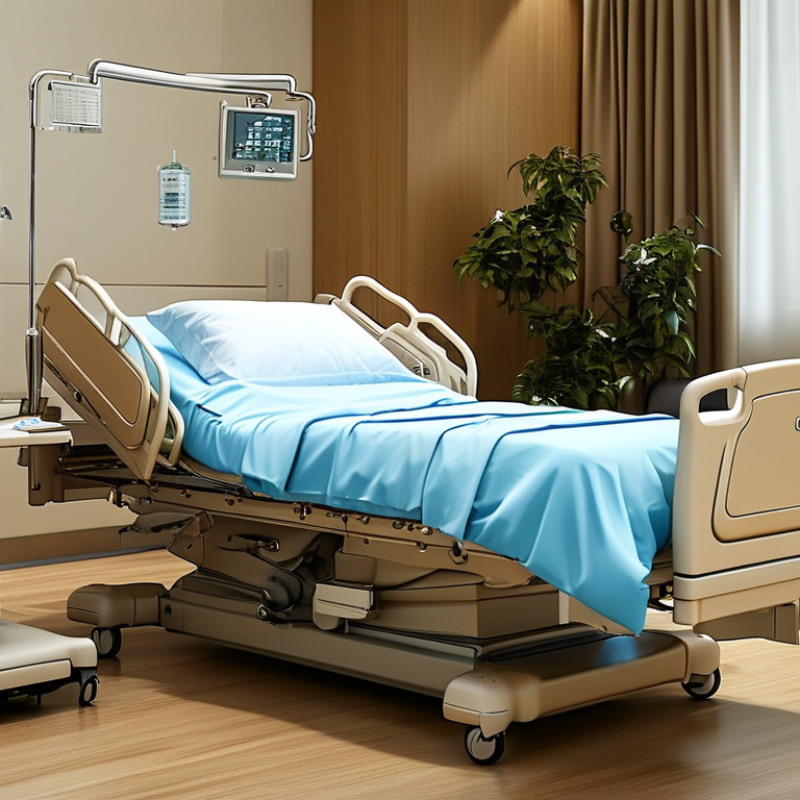
When comparing electric and manual hospital beds, it’s essential to consider the practical implications for healthcare settings. Electric beds offer adjustable positions at the touch of a button. This feature is crucial for patient comfort and nursing efficiency. Nurses can reposition patients easily, reducing physical strain during caregiving. Manual beds, while less costly, require more physical effort to adjust. This can lead to fatigue for healthcare providers, especially in busy environments.
Patients also benefit differently from these two types of beds. Electric beds contribute to better patient outcomes by improving blood circulation and reducing pressure sores with their versatile positioning. However, they can be more complex to operate. Some caregivers may feel less confident using electric controls, leading to potential errors. On the other hand, manual beds may not accommodate all patient needs. Their limited adjustability can hinder comfort for patients with specific medical conditions.
Cost considerations are significant for global buyers. Electric beds typically have a higher upfront cost but may save money in the long run through reduced labor needs and better patient care. Conversely, manual beds are budget-friendly but could lead to higher staff turnover due to increased physical demands. The choice between these beds should consider the specific needs of the facility and patient population.
Electric hospital beds offer significant advantages for patient care. Their adjustable features enhance comfort and support patient needs effectively. With a simple push of a button, caregivers can elevate the head or legs, facilitating better positioning for meals, medication, or rest. This ease of use reduces physical strain on healthcare staff, making care less exhaustive during long shifts.
Another important factor is the technology incorporated in electric beds. Many models feature built-in safety measures, such as automatic braking systems and side rails that can be adjusted easily. These features provide extra security for patients who may be at risk of falling. However, some healthcare facilities may find the initial cost of electric beds high compared to manual ones. The upfront investment can be a point of contention among buyers, especially in budget-conscious environments.
Moreover, while electric hospital beds provide many benefits, the reliance on technology can pose challenges. Power outages or mechanical failures can disrupt patient care. Staff must regularly maintain these beds to ensure their functionality. New technologies are continuously integrating into healthcare, and it’s crucial to adapt and evolve. The right bed choice ultimately depends on specific patient and facility needs.
This chart compares the benefits of electric hospital beds versus manual hospital beds across various dimensions such as Ease of Use, Patient Comfort, Cost Efficiency, Maintenance, and Adjustability. As seen in the data, electric hospital beds significantly outperform manual ones in most areas, making them a favorable option for patient care.
When considering bed options for healthcare settings, cost plays a crucial role. Electric hospital beds typically come with higher upfront costs compared to manual variants. This price difference often stems from advanced features and technology. Electric beds offer adjustable positioning with just a button press, enhancing patient comfort and staff efficiency. However, manual beds, while less costly, require more physical effort for adjustments. This can lead to higher labor costs over time.
For global buyers, maintenance and durability are also vital factors. Electric beds may incur additional repair expenses due to their mechanical parts. On the other hand, manual beds tend to have fewer components that can fail, making them easier to maintain. Yet, the effort needed to operate manual beds can sometimes lead to physical strain on staff. It's essential for buyers to weigh initial investment against potential long-term costs.
Decisions should be informed by local healthcare practices and purchasing power. Regions with limited budgets may find manual beds more accessible. Meanwhile, facilities focused on patient comfort and staff efficiency might opt for electric models despite the higher cost. Understanding local needs can significantly influence the final choice.
Electric and manual hospital beds each have unique maintenance needs that affect their overall durability and lifespan.
Electric beds, often seen as the advanced option, typically boast a longer lifespan due to their robust electrical components. A report from the Global Health Equipment Market indicates that electric beds can last up to 10 years with proper care. However, their reliance on electrical components means they are more prone to specific failures, leading to costly repairs.
Manual beds, while simpler, may require more frequent maintenance due to mechanical wear and tear. They generally have a lifespan of around 6-8 years. A study from Healthcare Technology Management revealed that manual beds are less expensive to repair, making them an attractive option for facilities with tighter budgets. However, users must regularly check and lubricate the movable parts to ensure they function properly.
Tips: Regular inspections can prolong bed life. Document maintenance activities for better tracking. Choose beds based on facility needs. Balancing durability with maintenance requirements is vital for global buyers.
When considering electric versus manual hospital beds, user experience is paramount. Electric beds offer enhanced comfort with adjustable settings. Patients can find their ideal positions with the touch of a button. This ease of use promotes better relaxation during recovery. Manual beds, though often more cost-effective, require significant physical effort for adjustments. This can lead to discomfort for both patients and caregivers during long-term use.
Additionally, accessibility plays a crucial role in the user experience. Electric beds generally feature built-in assistive technologies. These may include side rails and memory foam mattresses for added safety and support. In contrast, manual beds lack these conveniences, potentially hindering patient independence. Patients may struggle to reposition themselves, leading to frustration.
Despite their benefits, electric beds can sometimes be overwhelming for users unfamiliar with technology. Caregivers must adequately train themselves to operate these features efficiently. Assessing personal needs is essential before choosing a bed type. A deeper understanding of both options enhances the choice of bed that best suits individual requirements.
| Feature | Electric Beds | Manual Beds |
|---|---|---|
| Ease of Use | High; adjustable positions with a remote | Moderate; requires manual adjustments |
| Comfort | Enhanced with customizable positions | Basic comfort; limited adjustability |
| Accessibility for Caregivers | Improved; reduces physical strain | Challenging; requires manual lifting |
| Maintenance | Requires electrical maintenance | Low maintenance, easier repairs |
| Cost | Higher initial cost | Lower initial cost |
| Patient Satisfaction | Generally higher due to comfort | Varies; dependent on patient needs |
: Electric hospital beds enhance comfort with adjustable features. They allow easy positioning for meals, medication, or rest.
They reduce physical strain on caregivers during long shifts. This eases workload, promoting better staff efficiency and care quality.
Yes, many electric beds offer automatic braking systems and adjustable side rails. These features help prevent falls in at-risk patients.
Electric beds usually have higher upfront costs due to advanced features. Manual beds are cheaper but require more effort to adjust.
Electric beds may incur repair costs due to mechanical parts. Manual beds often have fewer fail points, making them easier to maintain.
Yes, electric beds can be adjusted with a button press. This ease can promote relaxation and enhance the recovery experience.
Some users may struggle with technology. Caregivers should be trained to operate these beds efficiently for optimal use.
Yes, manual beds require significant physical effort for adjustments. This can lead to discomfort for caregivers during long-term use.
Electric beds generally provide more independence with assistive technologies. Manual beds can hinder patients' ability to reposition themselves.
Assessing specific patient needs, budget constraints, and local healthcare practices will guide the best decision for bed types.
In the healthcare sector, choosing between electric and manual hospital beds is crucial for enhancing patient care. What are the benefits of electric vs manual hospital beds? Electric beds offer significant advantages, including ease of adjustment for both patients and caregivers, promoting comfort and improving accessibility. They often come with advanced features that facilitate better positioning, which can enhance patient outcomes and satisfaction.
Cost considerations reveal that while electric beds may have a higher initial investment, their benefits in terms of durability, reduced maintenance needs, and improved patient care can offset these expenses over time. Furthermore, electric beds typically have a longer lifespan and require less frequent repairs compared to manual options. Ultimately, the choice between electric and manual beds hinges on evaluating these factors to find the best solution for healthcare settings worldwide.

Datoral Medical