Choosing the right hospital bed for home use is crucial for comfort and care. According to Dr. Emily Carter, a leading expert in home healthcare, “The right bed can significantly improve recovery for patients.” With advancements in technology and design, selecting the perfect bed is more complex than ever.
In 2026, patients and caregivers face a range of options. Adjustable features, support systems, and safety measurements are essential. However, not all hospital beds are created equal. Understanding individual needs is key. Personalized recommendations can help navigate this complex market.
While some beds may offer advanced features, others may fall short in durability or comfort. It's important to evaluate quality over quantity. Reflecting on personal experiences might lead to surprising discoveries. Seeking expert advice will ensure informed choices can be made. Finding the right hospital bed is more than just a purchase; it’s an investment in health and wellbeing.
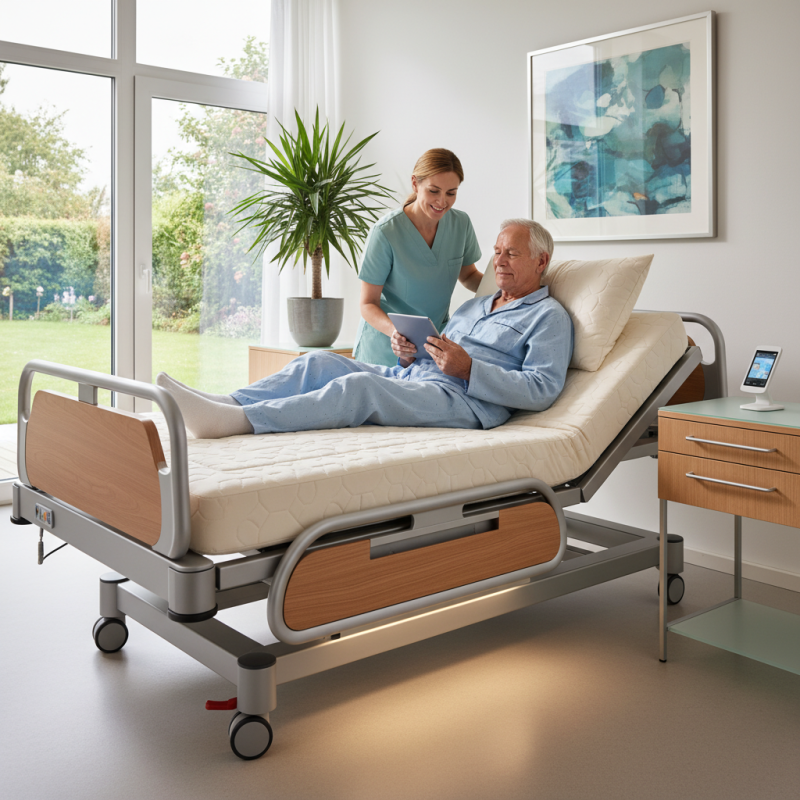
Choosing the right hospital bed for home use can be daunting. Several factors truly matter in this decision. Comfort is key. Look for adjustable features that let you personalize your position. A good bed should allow you to elevate your head or feet easily. This can reduce discomfort and improve circulation.
Weight capacity is crucial as well. Some beds support heavier users better than others. Always check specifications to ensure strength and stability. Moreover, consider the bed height. It should align well with your existing furniture. This prevents unnecessary strain when getting in and out of bed.
Lastly, mobility features can make a big difference. Wheels that lock can help while providing safety. Some beds also come with side rails for assistance. Reflect on your space; a larger bed may fit your needs but could hinder movement. Take time to examine these details thoroughly. They play a significant role in long-term satisfaction.
Selecting the right hospital bed for home care can feel overwhelming. Understanding the types available is crucial. There are three main categories: manual, semi-electric, and full-electric beds.
Manual beds are the most basic option. They require physical effort to adjust the bed’s position. These beds can be cost-effective but lack convenience. They are typically used for patients who have limited mobility and require minimal adjustments. According to a recent healthcare report, around 25% of consumers prefer manual beds due to their simplicity and lower price.
Semi-electric beds offer a balance between cost and functionality. They allow users to adjust the head and foot sections electronically while maintaining manual height adjustments. This feature can greatly enhance a patient’s comfort. A study shows that semi-electric beds account for approximately 40% of home care bed sales, highlighting their growing popularity.
Full-electric beds provide the highest level of convenience. Users can adjust all positions with a remote. This is particularly beneficial for caregivers, making it easier to cater to patients' needs. However, these beds are usually more expensive. Data indicates a 35% increase in demand for full-electric beds in recent years, reflecting their importance in modern home healthcare.
In this evolving market, insights from experienced caregivers can greatly aid in making informed decisions. Comfort, adjustability, and the user's specific needs are paramount in this selection process.
Choosing the right hospital bed for home use is crucial. Comfort and safety are paramount. Focus on features that enhance these aspects. Adjustable height and position can ease discomfort. Modern beds offer various positions to cater to different needs. Look for beds that facilitate easy access for caregivers. A bed that raises or lowers can help with transfers.
Consider the mattress quality. It affects pressure relief and overall comfort. Memory foam and gel options can reduce pain for long-term users. Safety features are equally important. Bed rails can prevent falls, while locking wheels keep the bed stable. Be cautious with bed boundaries; this area requires thoughtful design for safety.
Think about accessories. A good bed might come with adjustable side rails and integrated lighting. These features can enhance security and usability. However, not all beds are perfect. Investigate potential issues like noise or difficulty with adjustment mechanisms. Always weigh pros and cons based on user needs. Each feature should align with specific conditions and preferences for optimal results.
When evaluating the cost of home hospital beds, budgeting is key. A significant report from the National Institute of Health indicates that home hospital bed costs can range from
$500 to $3,000. These prices depend on features and durability. Many families experience sticker shock when comparing basic models with high-end options. However, understanding necessary features can help prioritize spending.
Basic manual beds can be an economical choice. A study from the Home Healthcare Association shows that 70% of patients benefit from adjustable head and foot sections. This feature caters to comfort and health needs, potentially reducing hospital visits. While electric beds offer advanced options, they also come at a higher cost. Research indicates that patients using electric beds reported a 30% improvement in comfort compared to manual versions.
Consideration should also be given to long-term expenses. Affordable beds may require frequent replacements or maintenance, raising overall costs. Investing in a more durable model could be wiser, reducing future financial burdens. Understanding the total cost over time is essential for any family making this large decision.
When choosing accessories for hospital beds in 2026, understanding the different types is crucial. Popular options include side rails, mattress overlays, and mobility aids. Each accessory enhances functionality and provides comfort. Research indicates that beds with quality accessories reduce the risk of pressure ulcers by 60%. This statistic underscores their importance for home use.
Selecting the right accessories can seem overwhelming. Start by assessing specific needs. For instance, individuals with limited mobility may benefit from adjustable side rails and transfer boards. These accessories can also aid caregivers, making the transfer process safer and more efficient.
Consider investing in a high-quality pressure-relieving mattress. Reports show that patients who use these mattresses experience better outcomes. Additionally, explore the latest technology, like bedside controls, which improve user experience. Also, remember that improper accessory use can lead to accidents. A thorough installation and maintenance guide should be part of the selection process. Being informed enhances safety and comfort in home care settings.
: Home hospital beds can cost between $500 and $3,000, depending on features and durability.
Basic manual beds are often economical and provide adjustable head and foot sections for comfort.
Patients using electric beds report 30% more comfort than those using manual options, though they are pricier.
Yes, affordable beds may need frequent replacements or maintenance, leading to higher long-term costs.
Accessory options include side rails, mattress overlays, and mobility aids, which enhance functionality and comfort.
Quality accessories can reduce the risk of pressure ulcers by 60%, improving outcomes for home care.
Assess specific needs, such as mobility limitations, to choose beneficial accessories for both patients and caregivers.
These mattresses help improve patient outcomes and enhance comfort during recovery at home.
Improperly used accessories can lead to accidents, so installation and maintenance are crucial.
Features like bedside controls enhance user experience and overall comfort for patients in home care.
In "How to Choose the Best Hospital Bed for Home Use in 2026," readers are guided through essential considerations for making an informed decision. Factors to consider include the patient's specific health needs, space availability, and ease of use for caregivers. The article explores various types of hospital beds that cater to diverse home care requirements, emphasizing the importance of understanding features that enhance comfort and safety, such as adjustable height and side rails.
Furthermore, it addresses budgeting by presenting cost-effective options for hospital beds suitable for home use, ensuring affordability without compromising quality. Additionally, selecting the right accessories can significantly enhance the functionality of the bed, contributing to a more comfortable and supportive home care environment. Overall, this comprehensive guide assists readers in understanding how to choose the right hospital bed for home use, ensuring the best possible care for loved ones.

Datoral Medical