Choosing between electric and manual hospital beds can significantly impact patient care and comfort. Recent studies show that nearly 70% of hospitals are shifting towards electric models due to their enhanced functionality and ease of use. The question often arises: "What are the benefits of electric vs manual hospital beds?" Electric beds offer adjustable features, reducing the physical strain on healthcare staff. This is crucial, considering reports indicate that nursing staff experience high rates of musculoskeletal injuries.
Manual beds, on the other hand, are still preferred in certain settings. They are typically more cost-effective but can be challenging for both patients and caregivers. The balance between budget constraints and patient comfort is a persistent dilemma. Electric beds may have maintenance costs, something facilities must consider carefully.
In the end, the decision goes beyond price. It requires a deep understanding of patient needs, staff capabilities, and the specific environment. This complexity reflects a broader challenge within healthcare: optimizing resources while ensuring high-quality patient care. Embracing advancements in hospital bed technology could lead to better outcomes, but it should align with the values and needs of the institution.
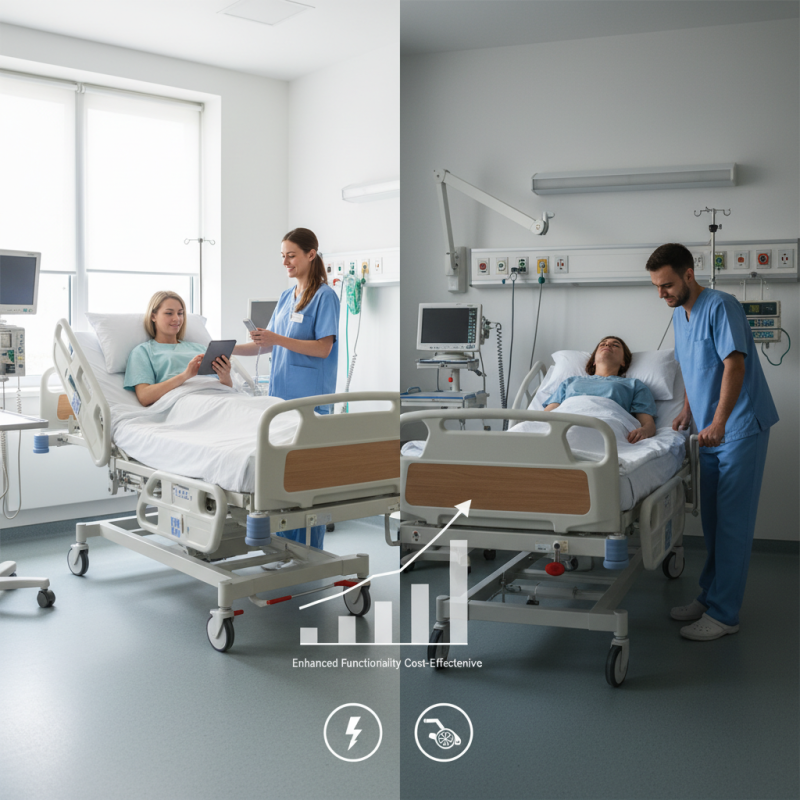
When selecting between electric and manual hospital beds, several factors come into play. One critical aspect is the level of patient mobility and independence. According to a report by the World Health Organization, around 15% of the global population lives with a disability, which often impacts their ability to operate manual beds. Electric beds provide users with the convenience of adjusting positions easily. This can significantly enhance comfort and reduce the risk of pressure ulcers.
Another consideration is the caregiver's workload. A study in the Journal of Nursing Administration found that caregivers spend 30% more time repositioning patients in manual beds. The physical effort required can lead to fatigue and even injury over time. Electric beds often feature adjustable height, which can simplify the transferring process, thus improving caregiver safety and efficiency. Cost is also a concern, with electric beds typically being more expensive. However, the long-term benefits of ease and enhanced patient care may outweigh the initial investment.
The available space in a facility should also guide your decision. Manual beds have a smaller footprint and may fit in tighter areas. Yet, their limited adjustability can pose challenges for both patients and caregivers. It's essential to weigh the room dimensions against the type of care needs expected. Choosing the right bed is not just a financial decision; it can profoundly impact the quality of life for patients and the working conditions for caregivers.
: Patient mobility and independence significantly influence the decision.
Electric beds allow easy position adjustments, enhancing comfort and potentially reducing pressure ulcers.
Caregivers spend more time repositioning patients in manual beds, increasing fatigue.
Electric beds offer adjustable height, making patient transfers easier and safer.
Yes, electric beds typically have a higher initial cost but may save money long-term.
Studies show that electric beds can lead to faster recovery times and reduced hospital stays.
Manual beds require less space but offer limited adjustability, impacting patient and caregiver experience.
Some staff may lack confidence in using complex electronic features, highlighting the need for training.
Yes, increased nursing time with manual beds can result in higher long-term costs.
Regular evaluation can provide insights into the quality of patient care and potential areas for improvement.
When choosing between electric and manual hospital beds, several factors come into play. Key considerations include costs, patient comfort, and caregiver needs. Electric beds generally offer ease of use and adjustability, allowing caregivers to modify positions swiftly, which is crucial in enhancing patient mobility and comfort. In contrast, manual beds can be more cost-effective but may require more physical effort from caregivers and could impact patient outcomes.
What are the benefits of electric vs manual hospital beds? Electric beds often lead to better patient satisfaction due to their advanced features, such as adjustable height and positioning that cater to individual needs. Industry statistics highlight that patients using electric beds tend to experience improved recovery rates and comfort. Ultimately, choosing the right type of bed depends on balancing budget constraints with the specific needs of both patients and caregivers, ensuring a higher quality of care.

 Datoral Medical