Choosing the right accessories for a recovery room bed is crucial for patient comfort and care. According to healthcare consultant Dr. Emily Foster, an expert on recovery environments, "The right accessories can significantly enhance a patient’s recovery experience."
When considering "What are the essential accessories for a recovery room bed," it’s essential to focus on comfort, safety, and functionality. Accessories like adjustable bed rails, supportive pillows, and patient monitoring devices can play a vital role. Each of these items contributes to a more efficient recovery process. However, the selection process can be overwhelming. Many overlook the importance of tailored accessories that meet specific patient needs.
Reflecting on the needs of each patient is fundamental. Are the pillows supportive enough? Do the railings provide adequate safety? These questions matter. Every detail can impact recovery outcomes, yet many facilities still under-invest in these critical components. Striking the right balance in choosing accessories can be challenging but is necessary for better patient experiences.
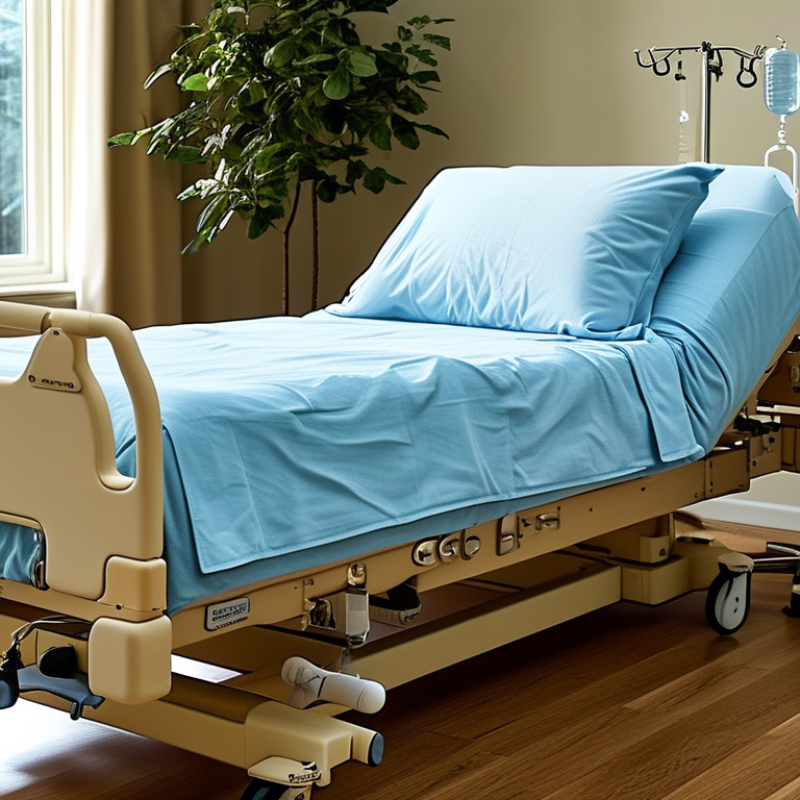
When selecting essential accessories for a recovery room bed, understanding the key features is crucial. A well-equipped bed facilitates patient comfort and aids in the healing process. Start by considering the mattress quality. A high-density foam or gel mattress can mitigate pressure sores and enhance comfort. It's essential to choose a mattress that is easy to clean and maintain.
Hospital beds should have adjustable settings. This functionality allows for optimal positioning during recovery. Look for beds that can change angles, helping patients find relief. Consider the accessibility of controls, ensuring they are within easy reach for both patients and staff.
Tips: Ensure that side rails are sturdy. They provide safety and prevent falls. Keep in mind that not every bed has the same weight capacity. Always check specifications and verify they suit your patients’ needs. Lighting is another vital aspect; adjustable bedside lamps can improve patient comfort and aid caregivers during checks. Regular checks and maintenance of these accessories can prevent wear and keep everything in good working order.
Creating a comfortable and safe recovery environment involves selecting the right accessories for hospital beds. Research indicates that patient comfort enhances recovery rates by 20%. Key accessories can significantly impact both comfort and safety in the recovery room. For instance, adjustable bed rails help prevent falls, which are responsible for nearly 33% of in-hospital injuries. Therefore, ensuring that these rails are sturdy and easily adjustable is crucial.
In addition, investing in high-quality mattress overlays can optimize pressure relief. Studies suggest that properly designed overlays can reduce pressure injuries by up to 21%. Consider materials that are breathable and easy to clean. Additionally, proper lighting is essential. Dim lighting can help create a soothing atmosphere, while adequate task lighting is necessary for medical staff. Unfortunately, many recovery rooms still lack sufficient lighting options, which can compromise both patient safety and staff efficiency.
One area of improvement is the positioning of essential items within reach. Essential tools and supplies often remain scattered or poorly positioned, affecting the workflow of healthcare providers. A dedicated space for these items minimizes wasted time and enhances patient care. Regular feedback from patients about their comfort levels can also uncover areas needing attention. Addressing these concerns will lead to improved care and a better recovery experience.
When designing a recovery room bed, evaluating medical equipment compatibility is crucial. The bed's dimensions and features must accommodate essential accessories like monitors, IV poles, and suction devices. According to a recent industry report, 75% of healthcare facilities face challenges in integrating medical equipment with existing bed designs. This incompatibility can lead to risks, including injury to patients and caregivers.
Moreover, the layout of a recovery room can greatly impact equipment effectiveness. A well-organized space ensures quick access to essential devices. In a survey conducted by the Healthcare Engineering Society, 60% of responders stated that improper equipment placement causes delays in patient care. This highlights the necessity of aligning medical equipment specifications with bed features for optimal use.
An ongoing issue is the evolving technology within medical devices. Newer models may not fit older bed designs. Healthcare facilities should regularly assess their recovery room setups. Collaborating with healthcare engineers can yield insights into future-proofing bed designs while enhancing operational efficiency. Balancing aesthetic appeal and practical functionality often leads to compromise. Thoughtful consideration of accessory compatibility is essential to create a safe and efficient recovery environment.
When selecting bed accessories for a recovery room, durability and cleanliness are paramount. Patients require a comfortable environment that promotes healing, but maintenance also plays a vital role. Accessories made from high-quality, tear-resistant materials can withstand daily use. Look for options that are waterproof or moisture-resistant. This feature not only enhances longevity but also simplifies cleaning.
Ease of cleaning is crucial in any healthcare setting. Accessories should be machine washable or easily wiped down with disinfectants. Fabrics that repel stains can save time and effort. Consider using removable covers for easy maintenance. These options often contribute to a more hygienic space. Additionally, lightweight materials make it simpler for staff to change linens swiftly.
It's important to remember that not all accessories work for every situation. Some materials may not be suited for patients with allergies or sensitive skin. Testing various products for comfort and durability may reveal unexpected outcomes. Engage with healthcare staff to get their insights on what works best. Listening to feedback fosters a collaborative environment focused on patient-centered care.
Choosing the right accessories for a recovery room bed requires careful attention to accessibility and functionality. A well-designed recovery room can greatly enhance patient comfort and streamline care processes. According to a recent report by the Healthcare Facilities Design Institute, optimized room designs can reduce patient recovery time by up to 20%. This clearly shows the importance of a thoughtful accessory selection.
When selecting accessories, prioritize features that enhance accessibility. For instance, consider adjustable bed rails that aid patient transition safely. Easy-to-reach storage for medical supplies is essential. A study published in the Journal of Hospital Medicine found that clutter-free environments promote quicker healing. Accessories should facilitate easy access to essential items without cluttering the space.
Tip: Always evaluate how easily a patient can access critical items, such as water bottles or communication devices.
Functionality should be the key determinant in your choices. Look for bedside tables with wheels for easy mobility. Multi-functional furniture can utilize space efficiently. A systematic review in the Journal of Healthcare Management highlights that well-organized rooms can lower the risk of medical errors.
Tip: Involve healthcare staff in accessory selection to ensure they meet the practical needs of daily operations.
: Focus on mattress quality. High-density foam or gel mattresses help with comfort and pressure sore prevention.
Adjustable beds allow for optimal positioning. This feature can greatly relieve patient discomfort during recovery.
Sturdy side rails are essential. They help prevent falls and enhance overall patient safety.
Regular checks can prevent wear. Cleaning should involve easy wipeable surfaces or machine-washable items.
High accessibility can improve patient comfort. Items like adjustable bed rails and easy-to-reach supplies are vital.
Opt for durable, waterproof, and stain-resistant materials. Testing fabrics for comfort is crucial for patient satisfaction.
Cluttered spaces can slow healing. Easy access to medical supplies without creating mess is essential for recovery rooms.
Staff insights help ensure the accessories meet daily operational needs and improve patient care quality.
Yes, optimized designs can potentially reduce recovery time. Thoughtful features enhance patient experience significantly.
Always test materials for potential allergies. Some fabrics may not suit every patient's skin sensitivity.
Choosing the right accessories for a recovery room bed is crucial for enhancing patient comfort and safety. To begin, it is essential to understand the fundamental features of recovery room beds, which can significantly impact the overall recovery experience. Identifying key accessories such as adjustable side rails, supportive cushions, and patient monitoring devices can help ensure the well-being of patients during their recovery.
Furthermore, it's important to evaluate the compatibility of medical equipment with the bed designs to prevent any operational issues. Selecting durable and easy-to-clean bed accessories is also vital, maintaining hygiene standards while reducing the workload on healthcare staff. Lastly, prioritizing accessibility and functionality in recovery rooms will not only improve patient outcomes but will also foster a more efficient healthcare environment. Ultimately, addressing "What are the essential accessories for a recovery room bed" will provide healthcare professionals with the guidance needed to create a supportive recovery atmosphere.

Datoral Medical