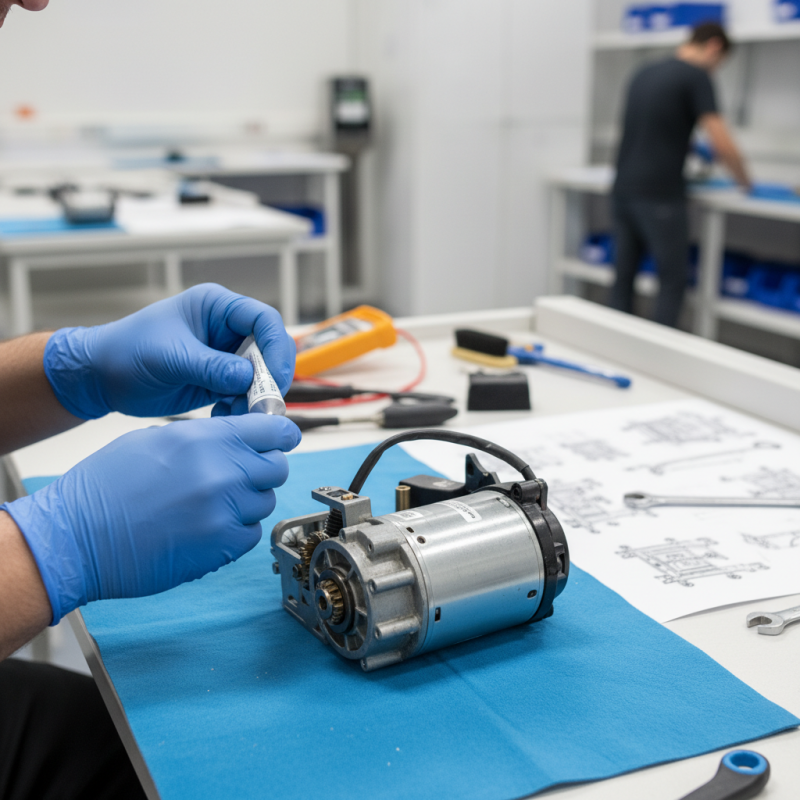
Maintaining electric hospital bed motors is crucial for their longevity. Proper care ensures safety and reliable operation in critical settings. These motors play a vital role in patient comfort and mobility. However, many healthcare facilities overlook their maintenance.
Understanding how to maintain electric hospital bed motors can prevent costly repairs. Regular inspections are essential. Check for signs of wear, such as unusual noises or slow movements. These may indicate a need for lubrication or adjustment.
Healthcare professionals often face tight schedules. Yet, dedicating time to motor care is necessary. Neglect can lead to premature failures. Implementing a routine maintenance schedule can reduce unexpected breakdowns. Every effort to keep these motors in top shape contributes to overall patient care.
Electric hospital bed motors play a crucial role in patient care. Understanding their components is essential for ensuring optimal functionality. Each motor typically comprises a drive unit, gears, and control systems. The drive unit converts electrical energy into mechanical motion, allowing for adjustments in position. Gears facilitate smooth transitions and support weight evenly. Control systems enable user-friendly operation, often through a handheld device.
Regular maintenance of these components is vital. Dust and debris can accumulate, affecting performance. Inspecting the motor regularly can help identify wear and tear. Lubrication is necessary for the gears, promoting fluid movement. It’s also important to check electrical connections for any signs of corrosion or damage. These small tasks can significantly impact the longevity of the motors.
Neglecting these aspects may lead to breakdowns. A motor failing can cause discomfort for patients. Additionally, high repair costs may arise. Investing time in maintenance ensures patients receive the comfort they need. Consider documenting maintenance routines; this can help track progress and any recurring issues. Regular attention can enhance the reliability of electric hospital beds.
Electric hospital bed motors require regular cleaning to ensure their longevity and proper functionality. Dust and debris can accumulate over time, affecting the motor's performance. A simple approach involves using a soft cloth to wipe down the exterior surfaces. This helps remove dust that may hinder the motor's operations. For crevices, a small brush or compressed air can be effective. These methods are straightforward but crucial for maintenance.
It’s essential to check for any signs of wear or damage while cleaning. Inspecting cables and connections helps identify potential issues early. If you notice frayed wires or loose connections, address them immediately. Neglecting these details can lead to more severe problems down the line. Regularly scheduled cleanings and inspections contribute to the overall health of the electric bed. Remember, small maintenance steps can prevent costly repairs.
While most facilities have maintenance protocols, not all staff may follow them diligently. It's vital to prioritize training for personnel on proper cleaning techniques. Continuous education can foster a culture of care and responsibility. Over time, consistent attention to cleaning procedures will enhance the durability of electric hospital bed motors, ensuring reliable service in critical care environments.
Electric hospital beds are vital for patient comfort. However, the motors can face common issues that affect their performance. Regular maintenance is essential.
One frequent problem is a lack of power. Check the power source and connections. A loose plug can be the culprit. Sometimes, the motor may make strange noises, indicating a need for lubrication. Use a quality lubricant on moving parts. This can prevent wear and tear.
Motion problems can also occur. If the bed doesn’t adjust smoothly, the gears might be jammed. Inspect for any debris or obstructions. Cleaning these areas can restore functionality. Periodic inspections are crucial. They help identify wear before it becomes a major issue.
Maintaining electric hospital bed motors is crucial for their longevity. Regular preventive maintenance can prevent unexpected failures and ensure smooth operation. Begin by checking the power supply. A stable connection reduces the risk of motor burnout. Inspect cords for frays and ensure plugs are secure. Clean dust and debris from motor components. This simple step can enhance performance.
Lubrication is essential. Apply appropriate lubricants to moving parts. This helps decrease friction and prolongs motor life. It's important to follow the manufacturer's recommendations for specific products. Regular inspections of belts and gears are also necessary. Look for signs of wear or misalignment. Treat these issues promptly to avoid costly repairs down the line.
Monitoring the usage frequency is also vital. Overworking the motor can shorten its lifespan. Implement a schedule for heavy usage to allow for downtime. Engaging staff in maintenance training is beneficial. They should understand the importance of these practices. Incomplete maintenance can lead to problems that might go unnoticed initially. Addressing minor concerns before they escalate can save time and resources.
| Maintenance Task | Frequency | Tools Required | Comments |
|---|---|---|---|
| Inspect wiring and connections | Monthly | Visual inspection tools | Check for signs of wear or damage |
| Lubricate moving parts | Quarterly | Lubricant, cloth | Use manufacturer-recommended lubricant |
| Test motor functionality | Monthly | Multimeter, test load | Ensure proper operation under load |
| Clean dust and debris | Bi-Weekly | Vacuum, brush | Prevent overheating by keeping clean |
| Check battery condition (if applicable) | Monthly | Battery tester | Replace if signs of swelling or leakage |
Electric hospital bed motors play a critical role in patient care. Proper storage and handling are vital for their longevity. According to industry reports, improper treatment can lead to a 30% reduction in motor life. To maintain optimal performance, ensure motors are stored in a dry, cool area, away from direct sunlight. Humidity and extreme temperatures can harm the internal components.
When handling electric bed motors, always follow safety protocols. Use appropriate lifting techniques to avoid damage. Store motors in their original packaging whenever possible to protect them from dust and impact. Regularly inspect motors for wear and tear, as early detection can save costs on replacements.
Documentation is crucial for tracking motor usage and maintenance. Studies indicate that diligent record-keeping can extend device longevity by up to 20%. While these practices are effective, many facilities overlook routine checks, leading to unexpected failures. Reflecting on these lapses in maintenance can improve future practices.
: Electric hospital bed motors include a drive unit, gears, and control systems for optimal adjustments.
Regular maintenance ensures longevity. Neglecting it can lead to breakdowns and costly repairs.
Use a soft cloth for exteriors. A small brush or compressed air can clear crevices effectively.
Inspect for wear or damage, especially cables and connections. Address any issues immediately to prevent problems.
Store in a dry, cool area away from sunlight. Extreme temperatures can harm components.
Ignoring protocols can lead to unexpected failures, reducing motor life by 30% or more.
Keeping records of usage and maintenance can extend the device’s life by up to 20%.
Use proper lifting techniques and keep motors in original packaging to avoid damage.
Regular inspections and checks are commonly neglected, affecting reliability and performance.
Training fosters accountability. Educated staff are more likely to follow proper cleaning techniques diligently.
Understanding how to maintain electric hospital bed motors is essential for ensuring their longevity and optimal performance. Regular cleaning procedures, including dusting and wiping down components, can prevent debris buildup that might impede motor function. It's crucial to be aware of common issues, such as unusual noises or functionality problems, and to have troubleshooting tips at hand for quick resolutions.
In addition to routine cleaning, implementing preventive maintenance practices—like lubricating moving parts and checking electrical connections—can significantly extend the lifespan of bed motors. Best practices for storing and handling include keeping motors in a dry environment and ensuring they are protected from physical damage. By following these guidelines, healthcare facilities can enhance the reliability of their electric hospital beds, ultimately contributing to better patient care.
Datoral Medical